
The allure of chance and luck
The human fascination with chance and luck is a fundamental element driving interest in casino gambling. This attraction stems from an innate desire for unpredictability and the thrill associated with risk-taking. The moment a player rolls the dice, spins the reels, or lays down a card, they are engaging in an experience steeped in uncertainty that produces an adrenaline rush. This psychological high can create a powerful feedback loop, where the excitement of potential winnings fuels further participation, especially when players seek out the best betting sites australia to enhance their gaming experiences. As players immerse themselves in the unpredictable nature of gambling, they often find themselves enticed by the possibility of fortune.
However, addiction to the thrill of the gamble can lead individuals to develop a skewed perception of their chances of winning. Many players fall victim to cognitive biases, such as the illusion of control, where they believe they can influence outcomes based on their actions. This misconception can lead to repeated play, as gamblers often remember their victories more vividly than their defeats, creating a false narrative of consistent success. This psychological distortion is a significant factor in gambling behavior and highlights the need for awareness of cognitive pitfalls when engaging in such activities.
Moreover, the environment within a casino is meticulously crafted to amplify the senses and enhance the gambling experience. Bright lights, loud sounds, and the vibrant atmosphere contribute to a feeling of excitement and euphoria. This stimulation can lead players to lose track of time and money spent. The combination of chance, reinforced by these sensory experiences, creates a compelling draw that can be hard to resist, leading to prolonged gambling sessions that may spiral out of control. Understanding these factors is crucial for both players and operators, as it can help in developing healthier gambling habits and environments.
The role of social dynamics
Social interaction plays a significant role in the gambling experience, influencing individual behavior and decision-making. Many gamblers enjoy participating in games as a social activity, engaging with friends or strangers alike. The thrill of shared experiences, whether through celebration of wins or commiseration over losses, fosters a sense of community among players. This social aspect can make the gambling experience feel more rewarding and can encourage individuals to gamble more frequently than they might alone, emphasizing the importance of social dynamics in gambling behavior.
Group dynamics also contribute to gambling behavior, as players may feel compelled to match the actions or bets of those around them. This phenomenon, known as “social conformity,” can lead to increased betting, even among individuals who might otherwise exhibit more cautious behavior. The energetic atmosphere of a crowded casino can create a sense of urgency, influencing gamblers to make impulsive decisions they might not make in a different setting. Such environments capitalize on the excitement of playing alongside others, further embedding the social psychology of gambling.

Additionally, social incentives can amplify the appeal of casino environments, where loyalty programs, tournaments, and social events encourage repeated visits. These strategies create a strong emotional connection to the casino, making players feel valued and part of an exclusive club. Over time, this connection can blur the lines of responsible gambling, as individuals may prioritize their social experiences over their financial well-being. Understanding these social dynamics is crucial for both gamblers and operators to foster responsible gambling practices, ensuring that the social aspects of gaming remain positive and supportive.
The impact of emotions on gambling behavior
Emotional states significantly influence gambling behavior, often driving individuals to seek out the exhilaration of gaming during both high and low moments. People experiencing stress or depression may turn to casinos as a form of escapism, hoping to find solace and excitement in the unpredictable nature of gambling. These emotional triggers can lead to compulsive gambling behaviors, particularly among those seeking to alleviate discomfort or enhance feelings of happiness. This intersection of emotion and gambling highlights the need for self-awareness and emotional regulation among players.
Conversely, positive emotions can also lead to increased gambling activity. Celebrating a win or enjoying a night out can motivate individuals to continue playing, potentially leading to poor financial decisions. The excitement and joy associated with wins can create a euphoric cycle, where players chase further thrills in an effort to replicate the feeling. As emotions oscillate between joy and despair, gamblers can become trapped in a rollercoaster of high-risk behavior, often disregarding potential consequences. This emotional volatility can have significant implications for long-term gambling habits.
To mitigate the negative impact of emotions, prospective gamblers could benefit from being aware of their emotional states and setting limits before entering a casino. Acknowledging when they are using gambling as an emotional crutch can help individuals develop healthier coping strategies. Understanding the interplay between emotions and gambling is crucial in fostering self-awareness and promoting responsible gambling habits, ultimately leading to a more fulfilling and less risky gambling experience.
The psychology of rewards and reinforcement
Reward systems play a significant role in gambling psychology, significantly shaping player behavior and decision-making. Casinos utilize various strategies to provide immediate gratification, reinforcing the act of gambling. Slot machines, for example, are engineered to deliver frequent, small wins alongside occasional larger payouts. This design creates an experience where players continuously seek out the next reward, anchoring them to the game and encouraging extended play. This constant pursuit of rewards can create a cycle of engagement that is difficult to break.
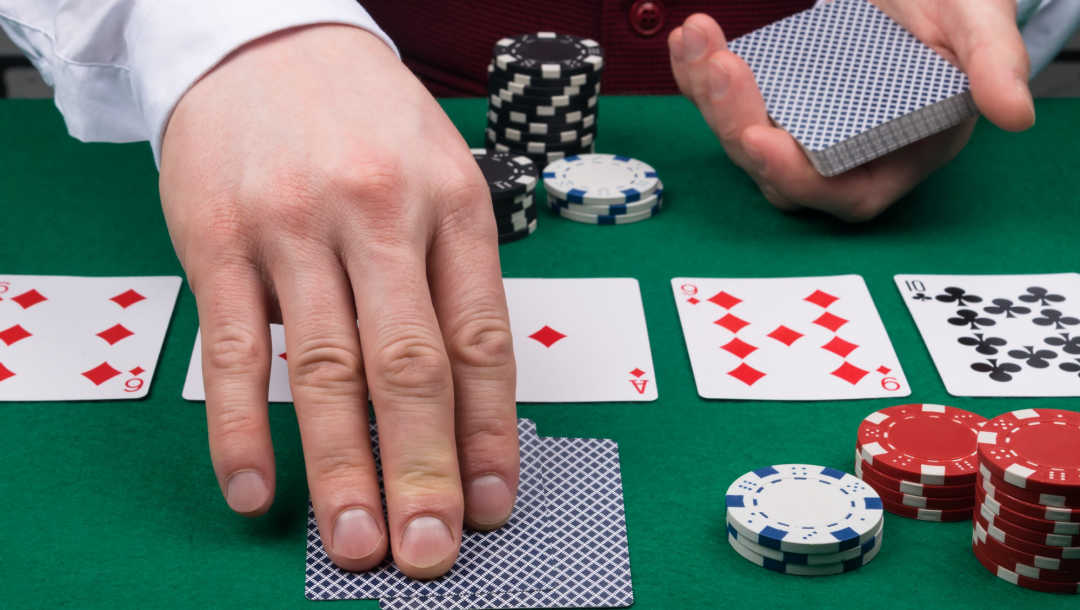
This psychological principle taps into the brain’s reward pathways, where dopamine is released in response to wins, creating feelings of pleasure and reinforcement. Over time, this can lead to a compulsive cycle, where players chase the high of winning, often disregarding losses. The anticipation of future rewards can overshadow the reality of losses, as gamblers become increasingly focused on the potential for a big win. The intermittent reinforcement schedule, wherein rewards are unpredictable, further fuels this behavior, keeping players engaged for extended periods and complicating their relationship with gambling.
Another aspect of this reinforcement psychology involves loyalty programs and bonuses that encourage continued gambling. By providing players with incentives to return, casinos create a sense of loyalty that can be difficult to break. The promise of additional rewards can make it hard for gamblers to walk away, even when they are on a losing streak. Understanding the psychology of rewards and reinforcements is essential for individuals looking to maintain control over their gambling habits and for casinos striving to promote responsible gaming environments that protect players’ interests.
Responsible gambling and awareness
As the psychological aspects of gambling become more evident, the need for responsible gambling practices becomes increasingly critical. Education and awareness are vital tools in helping individuals comprehend the psychological triggers that may lead to compulsive gambling. Many casinos now implement responsible gambling measures, such as providing resources and support for players who may be struggling, as well as encouraging self-exclusion options for those who wish to limit their gambling activities. These initiatives aim to create a safer environment for all participants.
Developing a strong understanding of gambling psychology can empower individuals to make informed decisions about their behavior. Recognizing the signs of problem gambling, including emotional distress, financial instability, and social isolation, is essential in fostering a proactive approach to gambling. Individuals should feel encouraged to seek help or utilize available resources if they find themselves feeling overwhelmed by their gambling habits. This awareness can serve as a beacon for those navigating the often murky waters of gambling.
In conclusion, the complex interplay of psychological factors driving casino gambling necessitates ongoing education and awareness initiatives to promote responsible practices. By prioritizing psychological well-being and understanding the underlying motives for gambling, individuals can cultivate a healthier relationship with gaming, leading to a more enjoyable and sustainable experience. The commitment to responsible gambling not only benefits individuals but also contributes to a supportive gambling community overall, ensuring a safer environment for all. This holistic approach can pave the way for a more responsible and enlightened gambling culture.