
The evolution of gambling tracing its historical roots and cultural impacts
Historical Origins of Gambling
The practice of gambling dates back thousands of years, with evidence found in ancient civilizations such as the Chinese, Greeks, and Romans. The earliest known artifacts, including dice and betting tokens, showcase that humans have long engaged in games of chance. In China, around 2300 BC, rudimentary forms of gambling emerged, not only as entertainment but also as a means to raise funds for government projects. This early gambling set the stage for more structured gaming experiences that would evolve in various cultures worldwide, and today, exploring options like theonlinecasinonodeposit.com can help you understand these traditions better.

As societies evolved, gambling practices diversified and became more complex. The Greeks introduced betting on athletic competitions, while the Romans enjoyed a variety of games of chance, including dice games and betting on gladiatorial contests. These activities highlighted the allure of risk-taking and chance, embedding gambling into the cultural fabric of these civilizations. The Romans even regulated gambling through laws, demonstrating its significance in social life.
By the Middle Ages, gambling had become widespread throughout Europe. The introduction of card games, including those resembling modern poker and blackjack, marked a significant shift in gambling culture. The popularity of these games led to the establishment of gambling houses and eventually casinos, laying the groundwork for the modern gambling industry that we recognize today. This period cemented gambling as a leisure activity and a social experience.
The Role of Luck and Skill in Gambling
Gambling is often characterized by the ongoing tension between luck and skill, elements that profoundly influence the outcomes of various games. In games of chance, such as lotteries and slot machines, luck reigns supreme. Players have little control over the outcome, relying solely on random chance. The thrill of uncertainty fuels the excitement, drawing players to these games despite the low probability of winning. This dynamic highlights gambling’s inherent risk and the emotional high that accompanies it.
Conversely, games requiring skill, like poker and blackjack, allow players to exert influence over their success. Knowledge of strategy, psychology, and probability can significantly enhance a player’s chances of winning. In these cases, skilled players often outperform those who rely solely on luck. This distinction has led to a broader conversation about gambling as both a form of entertainment and a potential profession for those who invest the time to master their craft.
The balance between luck and skill has also influenced how societies perceive gambling. Some cultures embrace it as a legitimate pastime, while others view it with skepticism. This dichotomy creates a complex relationship with gambling, encompassing everything from moral debates to regulatory discussions. Understanding the interplay between these two elements is essential for both players and policymakers in navigating the gambling landscape.
Cultural Impacts of Gambling
The cultural impact of gambling extends far beyond the act itself, influencing art, literature, and social customs throughout history. In many societies, gambling is celebrated as a rite of passage or communal activity, fostering social connections and shared experiences. For example, traditional games like mahjong in Chinese culture or the various forms of poker in Western societies serve not only as entertainment but as ways to bond with friends and family.
Moreover, gambling has often been depicted in literature and film, reflecting societal attitudes towards risk and reward. Classic novels like Fyodor Dostoevsky’s “The Gambler” delve into the psychological aspects of addiction and the pursuit of fortune. In contemporary cinema, films like “Rounders” and “Casino Royale” romanticize the high stakes of gambling, showcasing the thrill and potential consequences of betting. These representations contribute to public perception, shaping attitudes toward gambling in modern society.
Despite its entertainment value, gambling also raises social concerns. Issues such as addiction, financial ruin, and crime can arise from problematic gambling behaviors. This duality prompts discussions about responsible gaming practices, the need for regulation, and support systems for individuals affected by gambling-related issues. As societies navigate these challenges, the cultural impact of gambling continues to evolve, reflecting broader trends in social behavior and ethics.
The Globalization of Gambling
The advent of technology has significantly transformed the gambling landscape, leading to the globalization of gaming practices. The rise of the internet has allowed for the proliferation of online casinos and betting platforms, making gambling more accessible than ever before. This shift has also introduced new audiences to various forms of gaming, transcending geographical and cultural boundaries. As a result, traditional games have gained global popularity, often adapted to local tastes and preferences.
Moreover, the growth of mobile technology has further revolutionized gambling. Players can now engage in gaming activities from the comfort of their homes or on the go, democratizing access to gambling and creating a vibrant online community. This accessibility has spurred the development of innovative gaming experiences, with virtual and augmented reality creating immersive environments that attract a new generation of players. The digital age has undoubtedly reshaped how we experience and perceive gambling.
As gambling becomes increasingly globalized, it raises questions about regulation and responsible gaming. Different countries have varying laws and cultural attitudes toward gambling, leading to disparities in how gambling is conducted and monitored. This complexity necessitates a deeper understanding of the global gambling market, as stakeholders from players to regulators seek to navigate the challenges and opportunities presented by this rapidly evolving landscape.
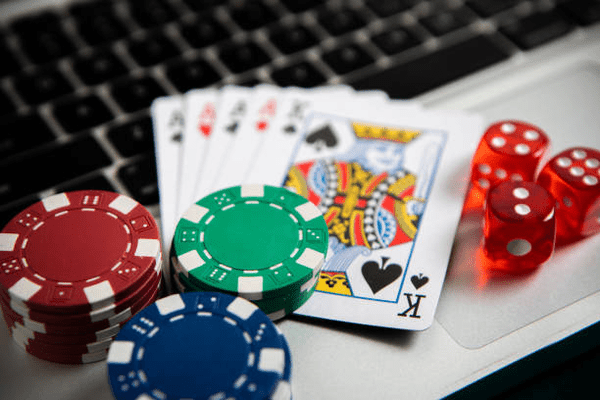
Exploring Modern Gambling Opportunities
The evolution of gambling has led to a myriad of modern opportunities for enthusiasts. Online platforms have become a go-to source for those seeking diverse gaming options, from traditional table games to innovative slot machines. With a focus on user experience, many online casinos provide unique promotions, including no deposit bonuses, to attract new players. These incentives allow players to explore various games without the initial financial commitment, making the online gambling experience accessible and appealing.
Additionally, the rise of community-driven platforms fosters a sense of belonging among players. Online forums and social media groups provide spaces for sharing strategies, discussing experiences, and promoting responsible gaming practices. These communities enhance the overall gaming experience, allowing players to connect and support one another in their gambling pursuits. The collaborative nature of these platforms exemplifies how modern technology has transformed the gambling landscape.
As gambling continues to evolve, it is essential for both newcomers and seasoned players to stay informed about the latest trends and opportunities. Engaging with reputable platforms that prioritize user experience and safety can enhance the enjoyment of gaming activities. With an array of choices available, players are encouraged to explore responsibly and make informed decisions that contribute to a positive gambling experience.